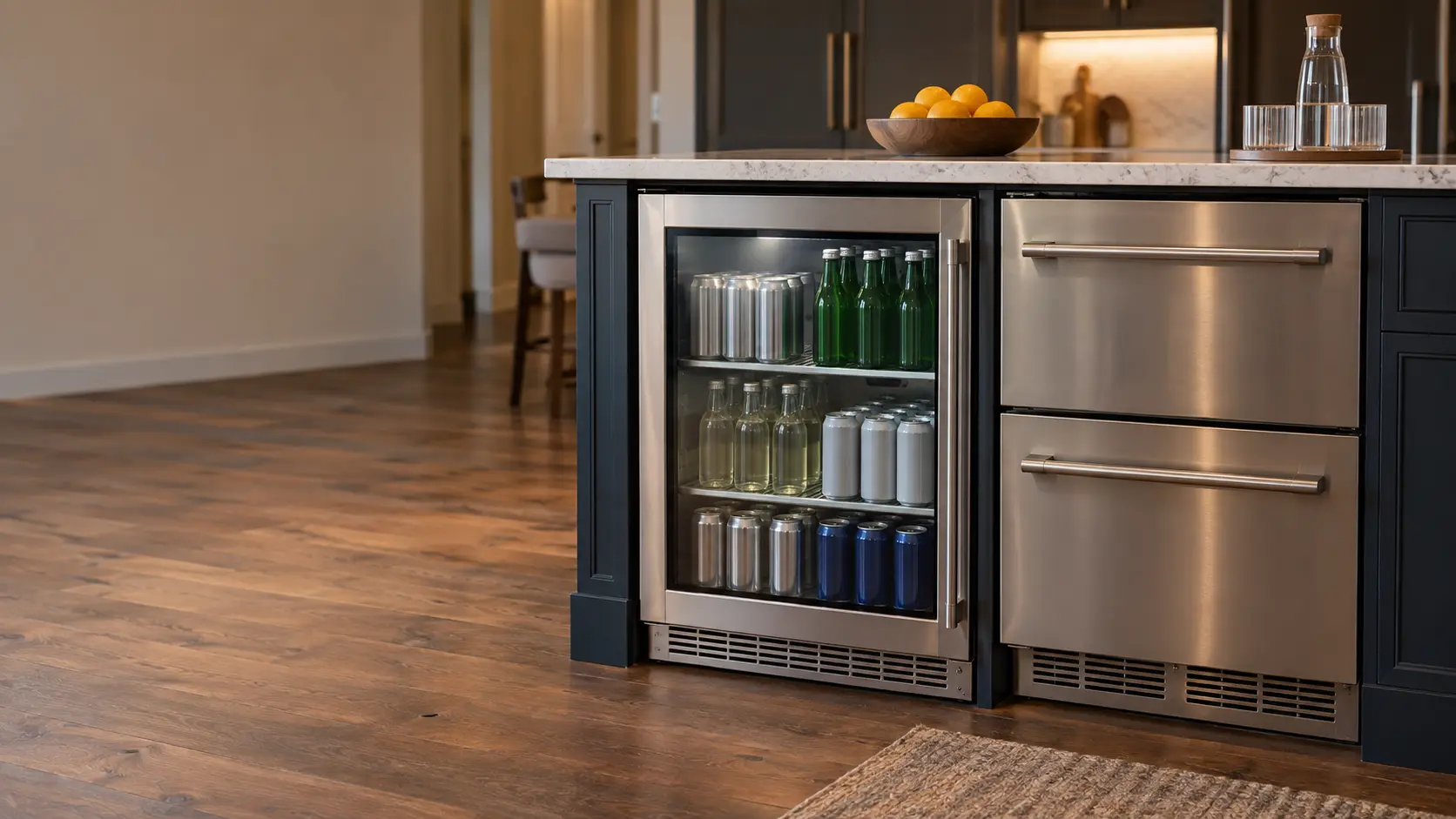

Which kind of unit, and fix or replace
Choosing and comparing
guides.
Undercounter, freestanding or drawers, indoor or outdoor-rated, and whether a tired beverage center earns a repair or makes way for a new one.
Mon–Sat, 8am–8pm
- Five guides
- Read before you book
- Says where to stop
Book a visit
Three short steps, about a minute.
or call (844) 456-5057
Loading appointment form…
The appointment form couldn’t load. Please try again.
Choosing and comparing,
guide by guide.
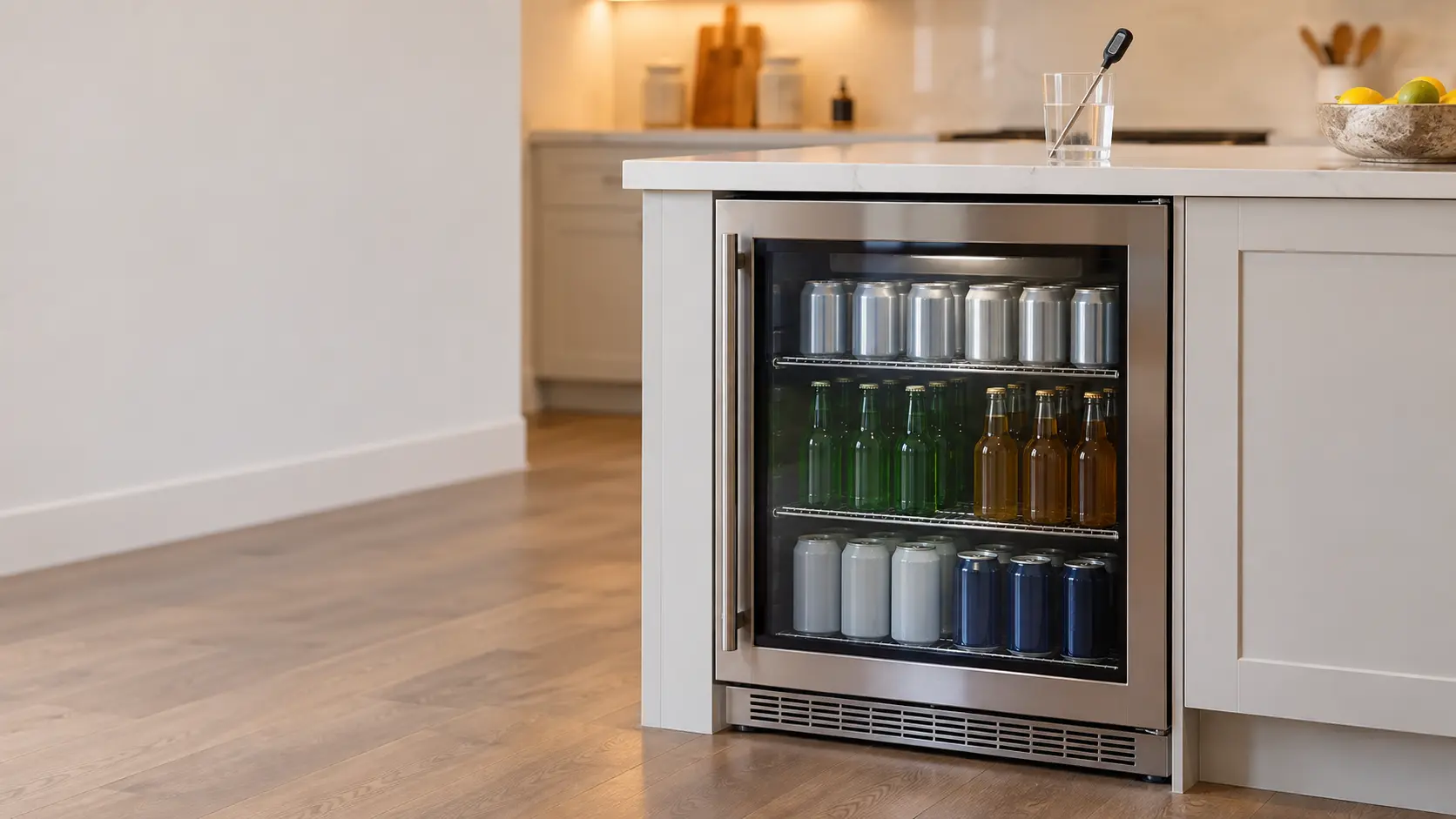
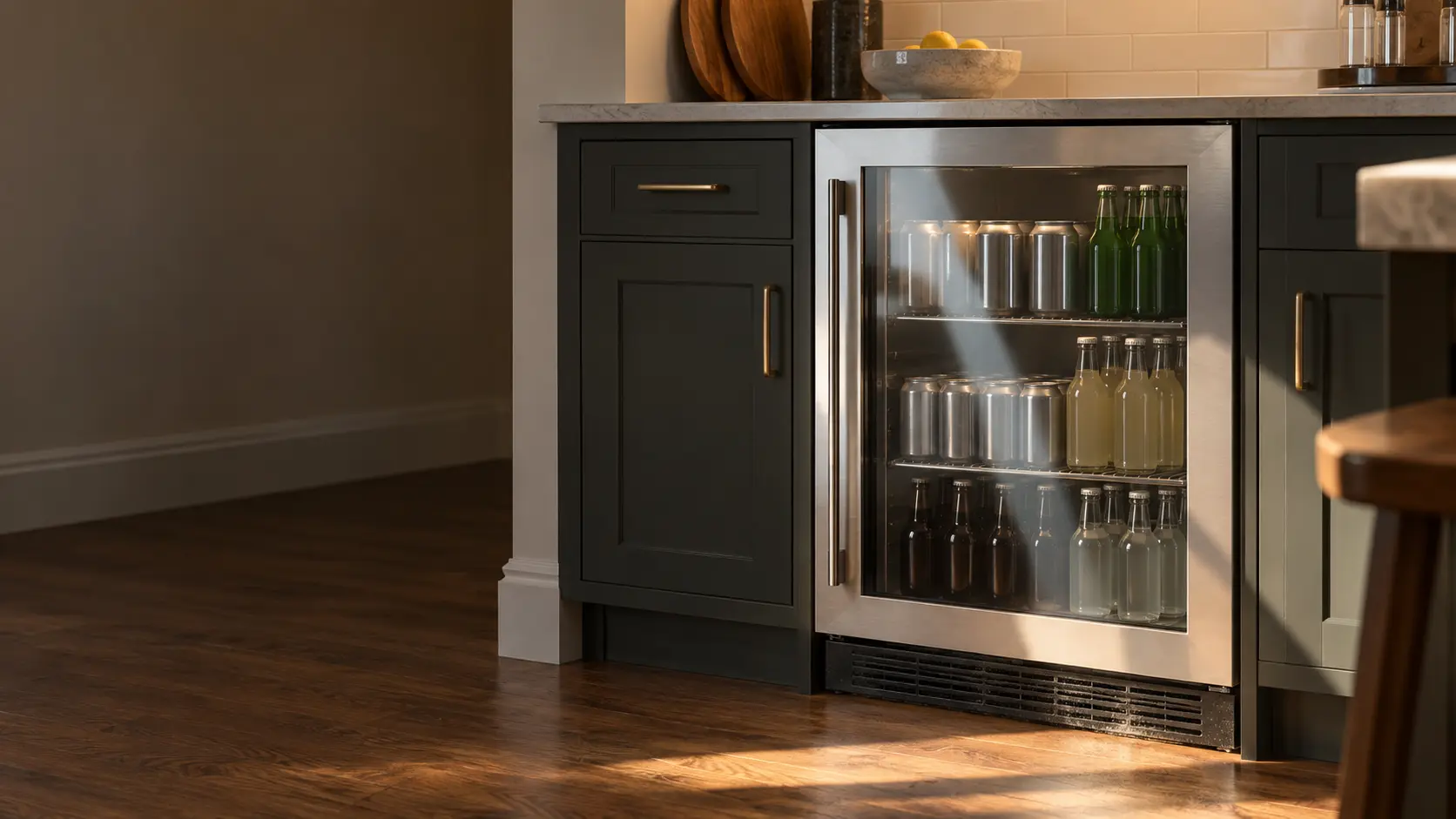
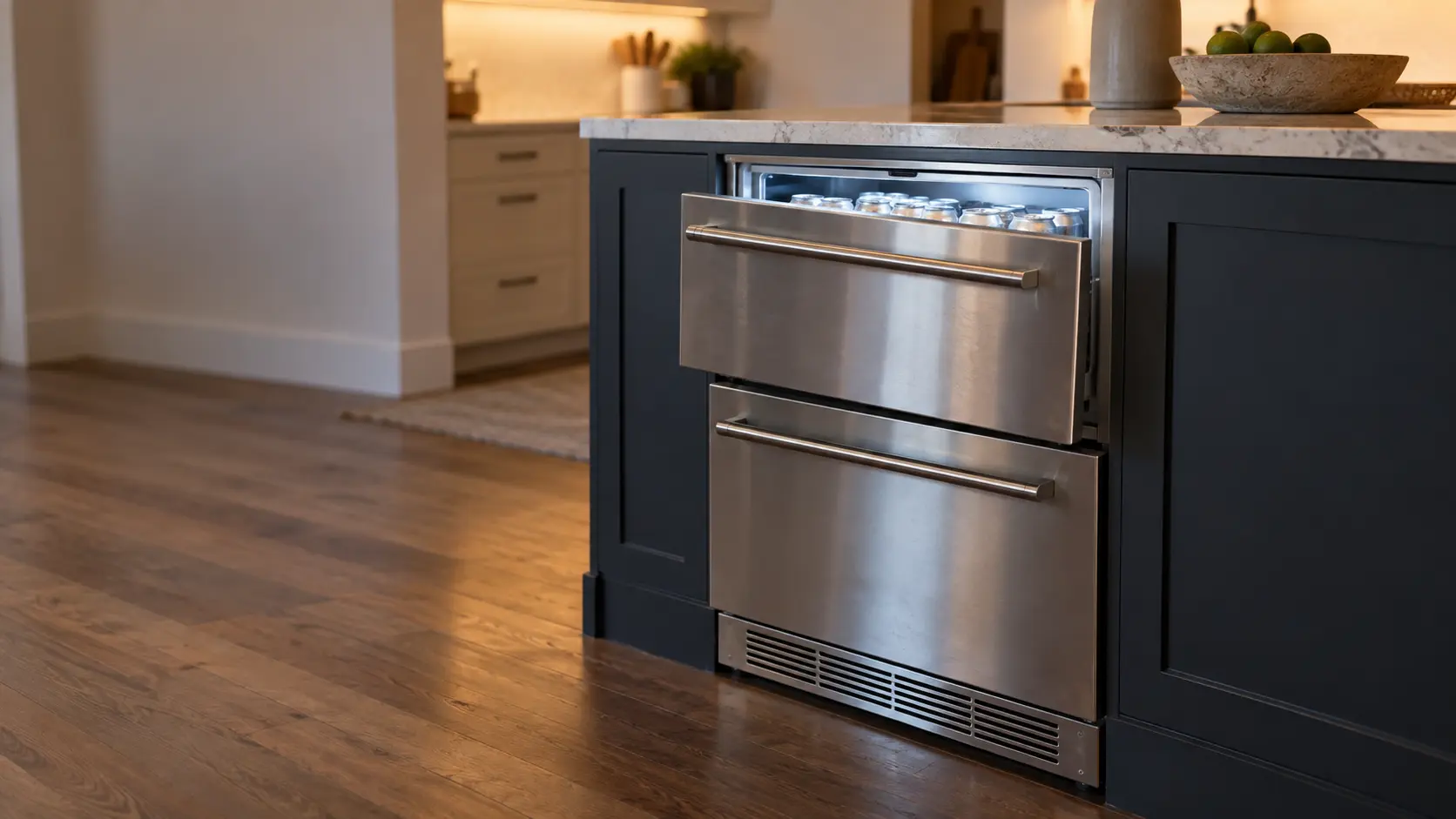
A beverage center is chosen once and lived with for a decade, and most of what makes it pleasant or tiresome is decided before the first can goes in. This section weighs the choices that shape that decade: a cabinet built into the counter against one that stands alone or a pair of drawers, an indoor model against one rated for a patio, and, when a unit has stopped, whether to mend it or buy another.
All 23 guides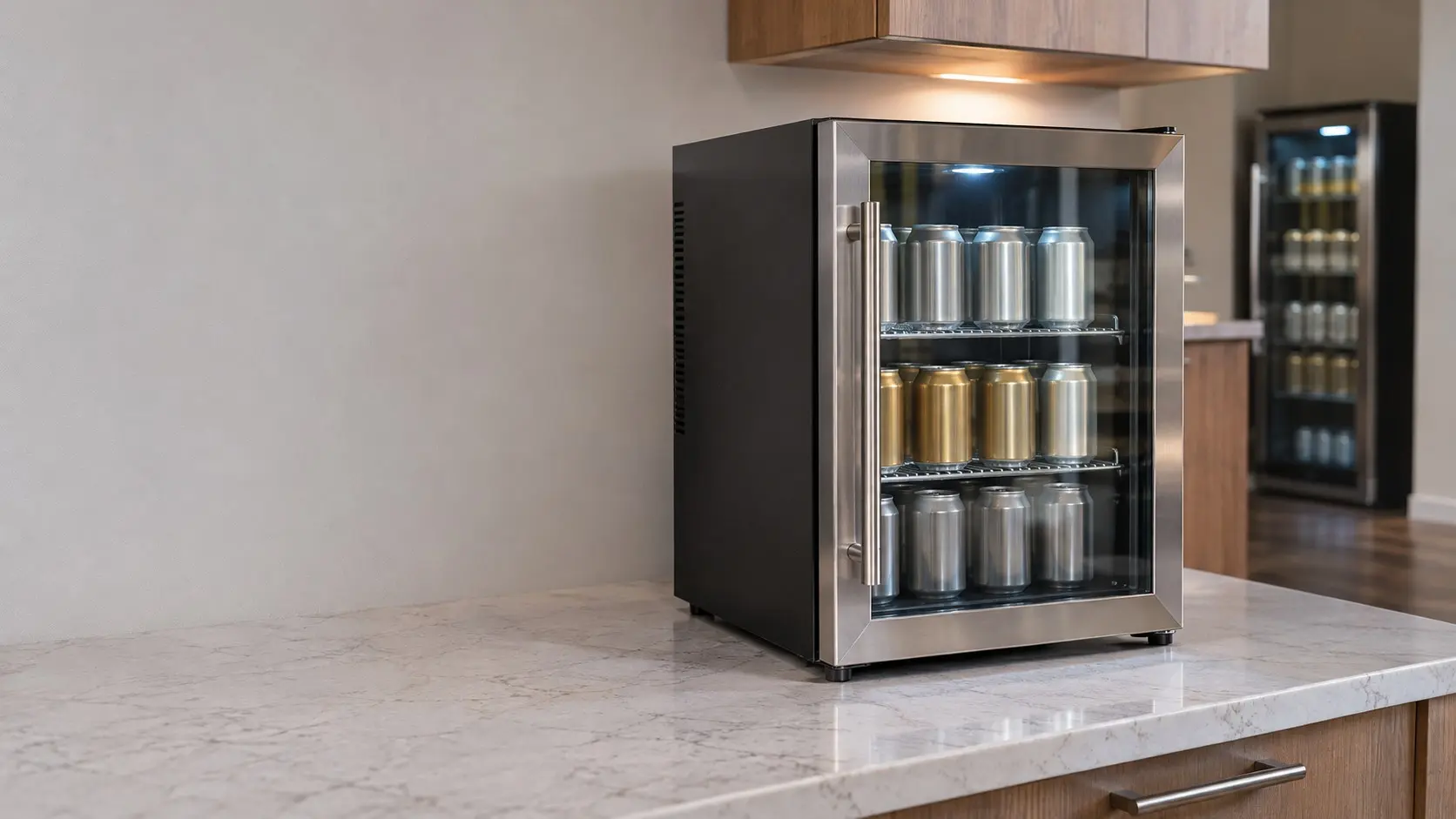
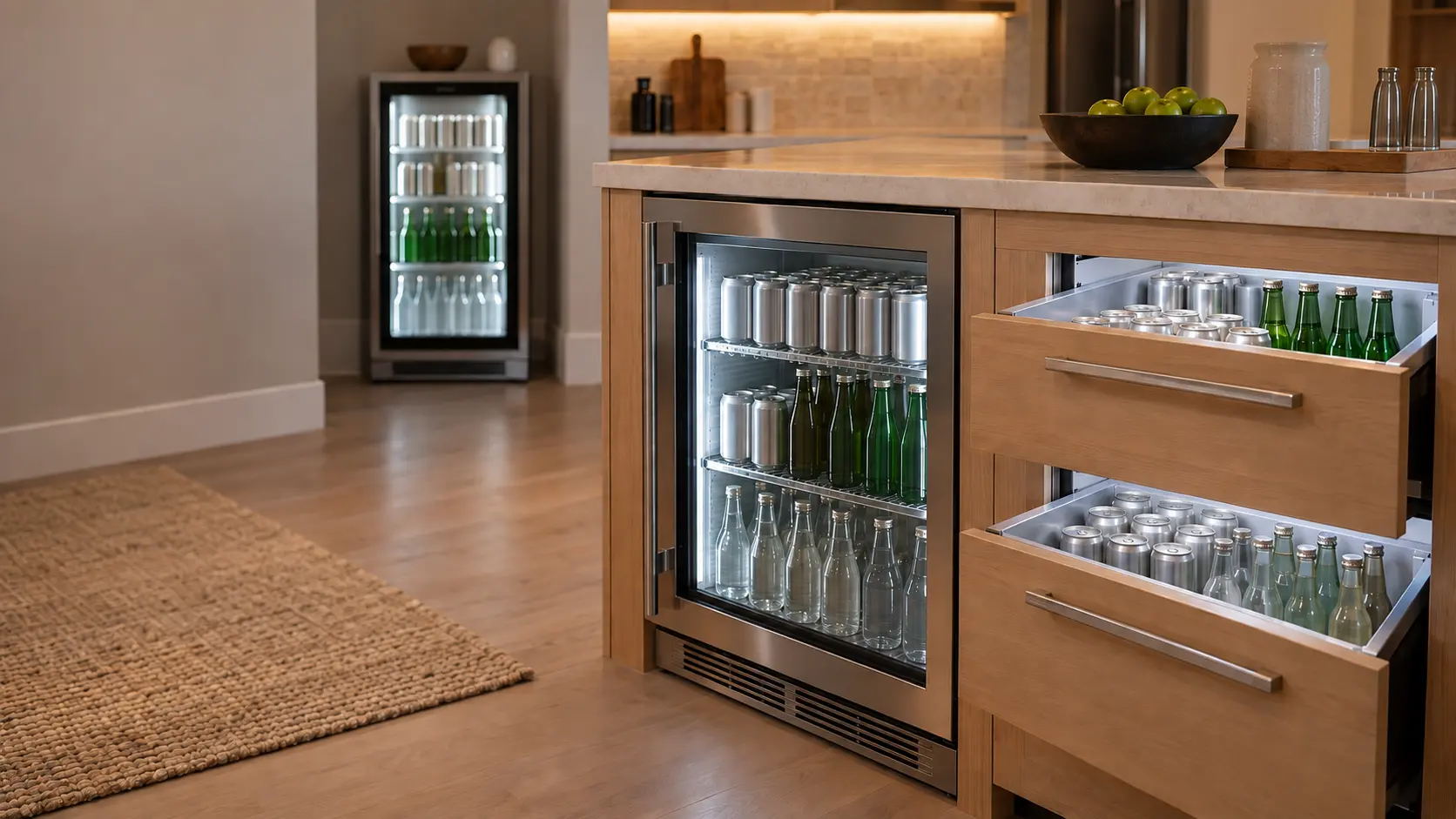
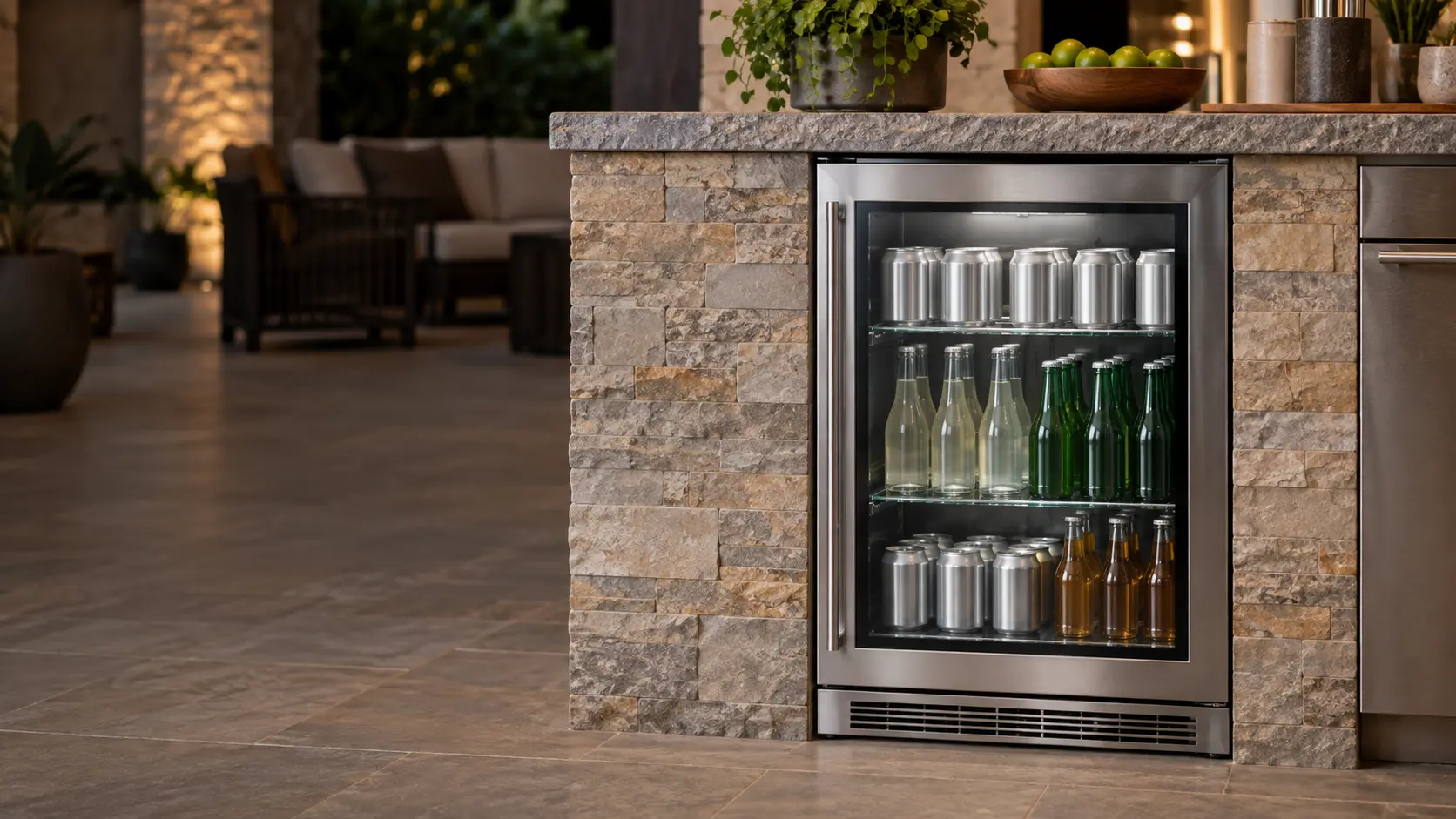
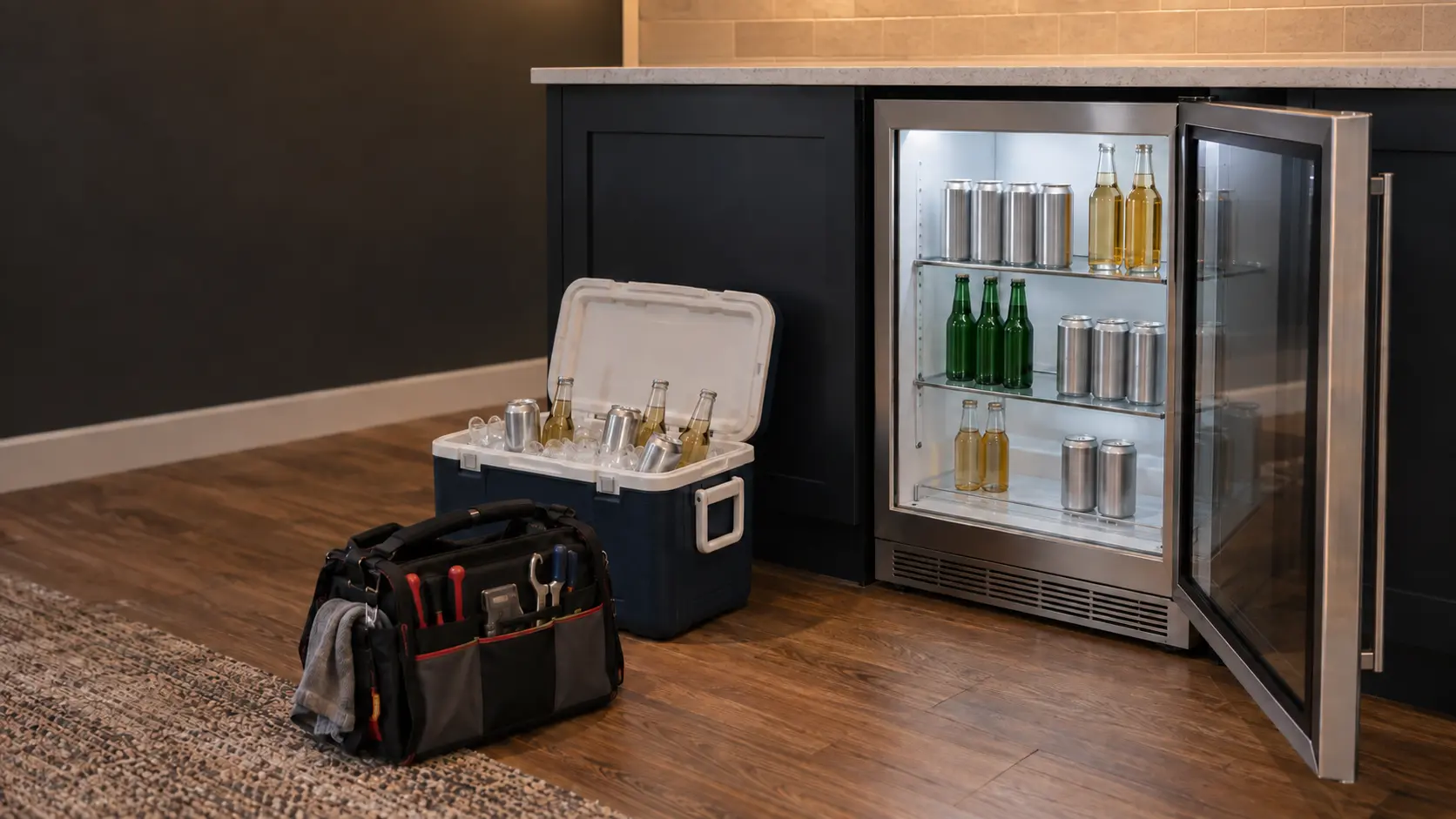
Which kind of unit, and fix or replace.
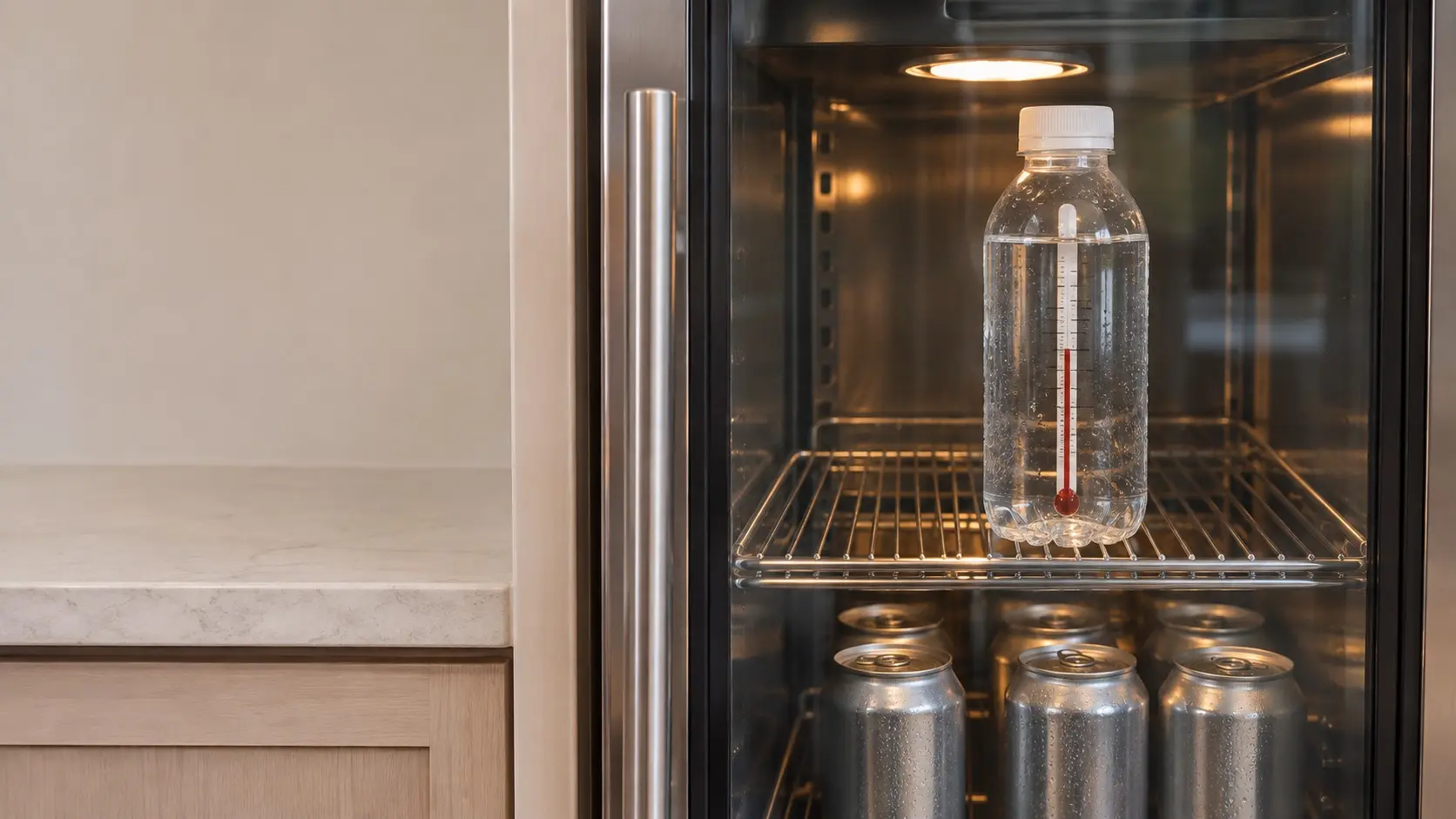
The guides are for anyone planning a wet bar, a basement or game room, or a covered patio counter, and for owners holding an estimate and wondering whether it is worth paying. None of them ranks makers. Where a manufacturer prints a figure that settles a point, such as the room temperatures an indoor unit expects or the night-time low at which an outdoor one should be shut down, we quote it and link the manual.
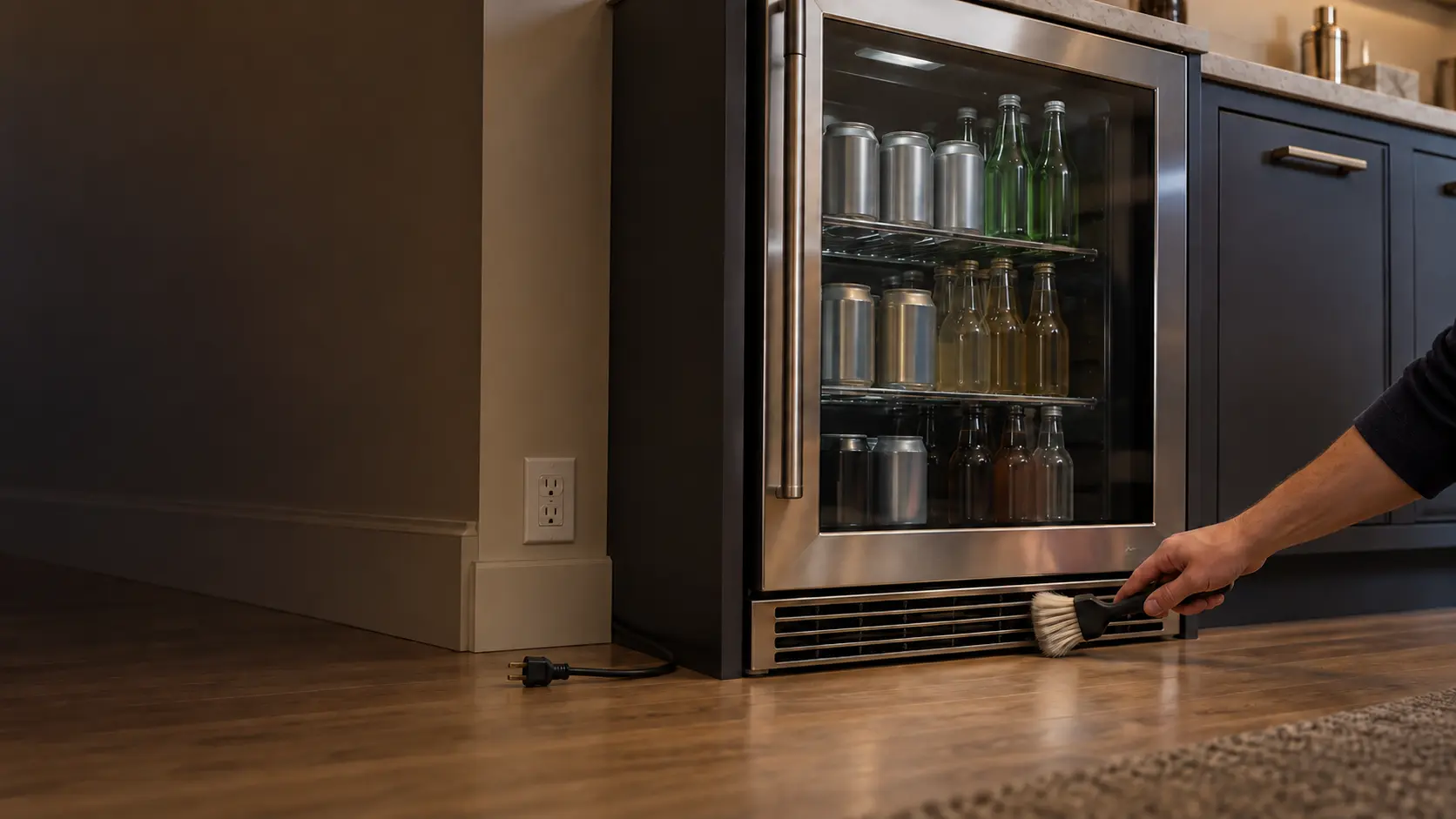
They are written from the repair side of the business. That means less about shelf counts and finishes and more about where each design sheds its heat, what the weather does to a gasket, and how hard the unit is to reach when a fan or a sensor finally wears out. Those details rarely come up in a showroom and nearly always come up on a service call.
Begin with the location. A gap in a cabinet run points to the guide on built-in, freestanding and drawer designs; anything with a roof but no heating or cooling points to the guide on outdoor ratings; and a unit that has already quit points to the repair-or-replace guide, after the drinks have been moved to a cooler of ice.
Not sure where to start?The short answerCountertop vs freestanding beverage cooler: which one fits?
A countertop beverage cooler is a small freestanding unit that sheds heat from its back or sides, so it needs open air and a sturdy surface.
The short answerBeverage center size: how many cans fit, and what width to buy
Beverage center size is stated as a can count, which assumes standard cans on stock shelves and nothing else.
The short answerUndercounter, freestanding or drawers: where a beverage center breathes
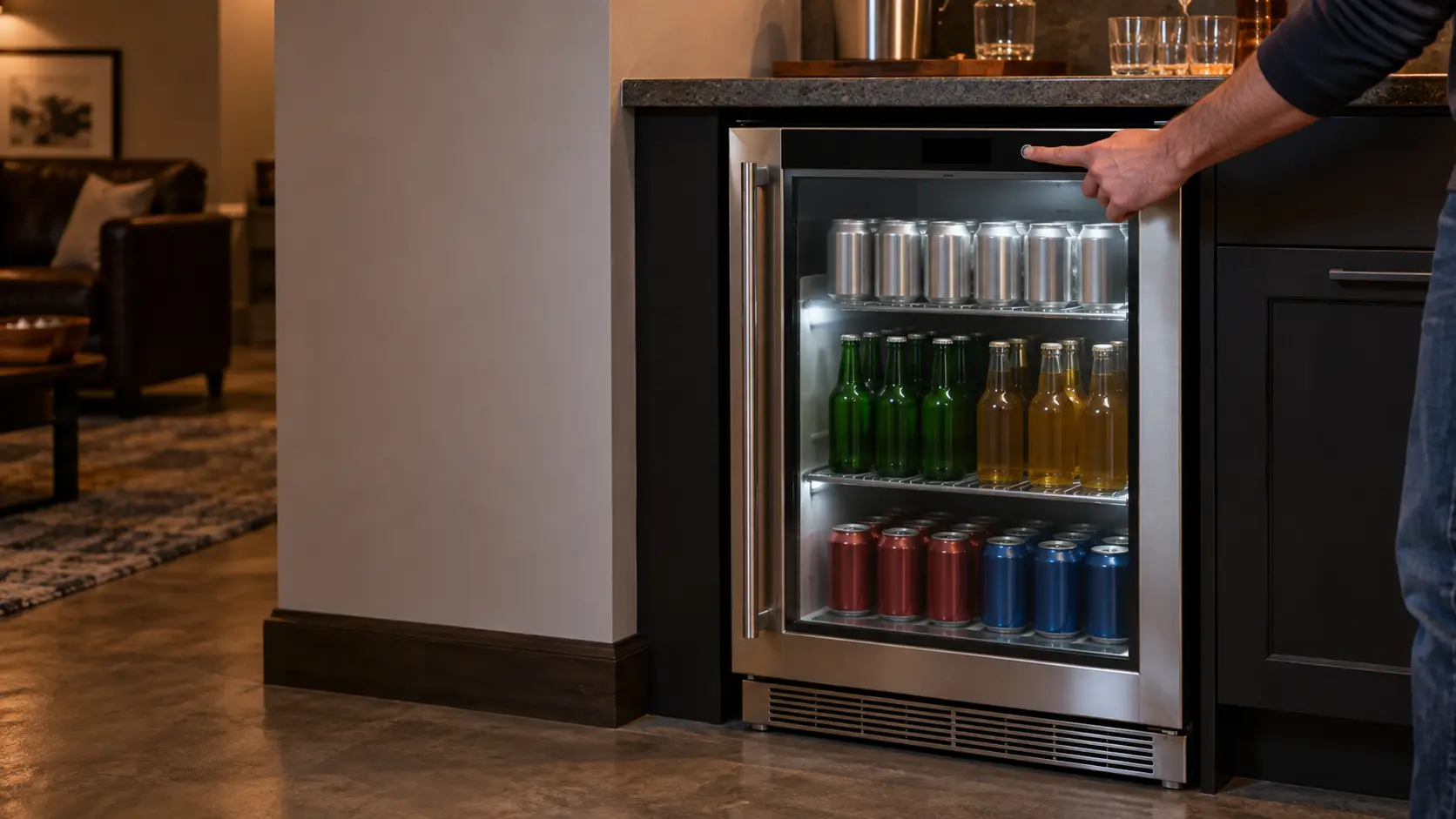
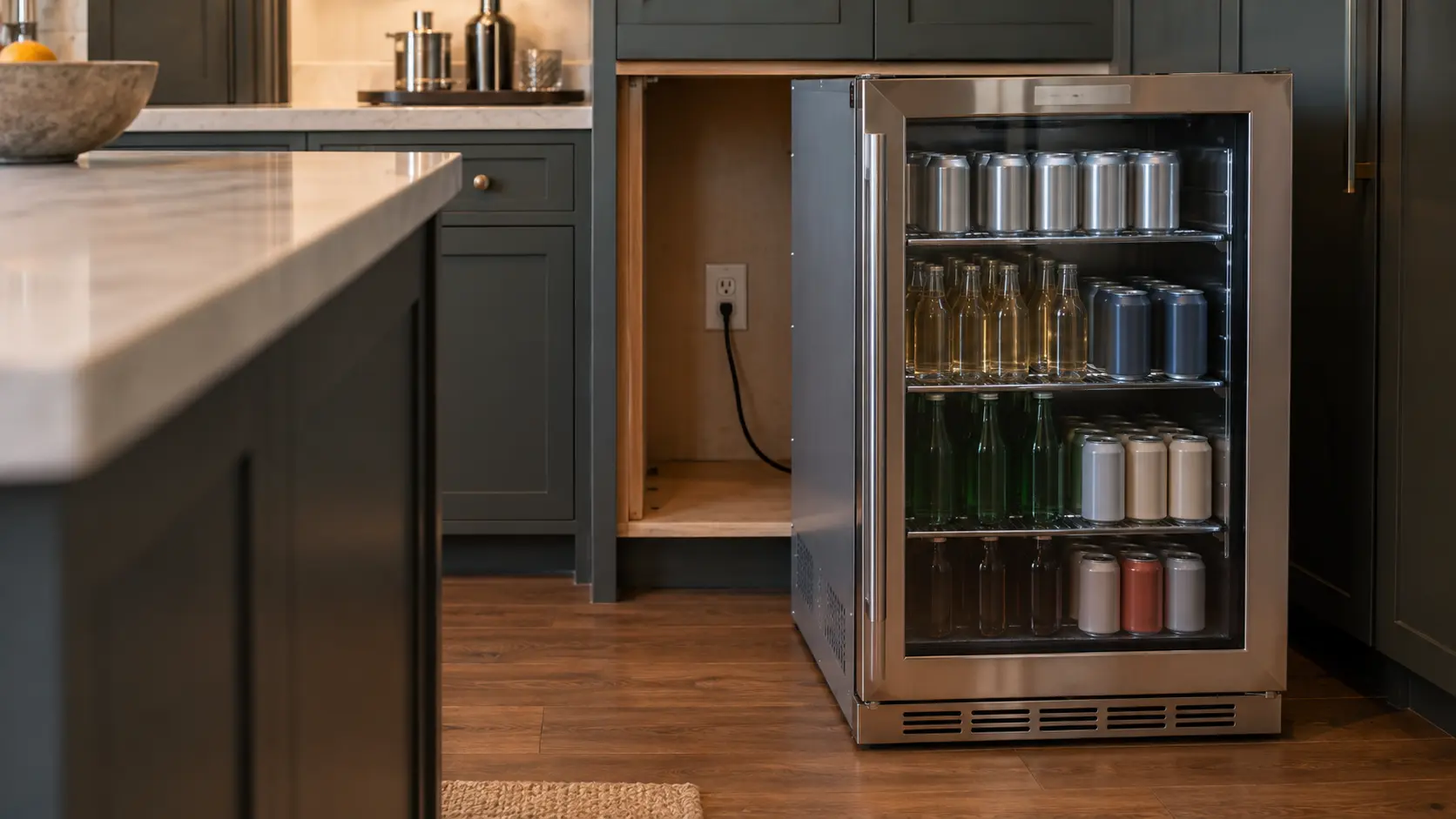
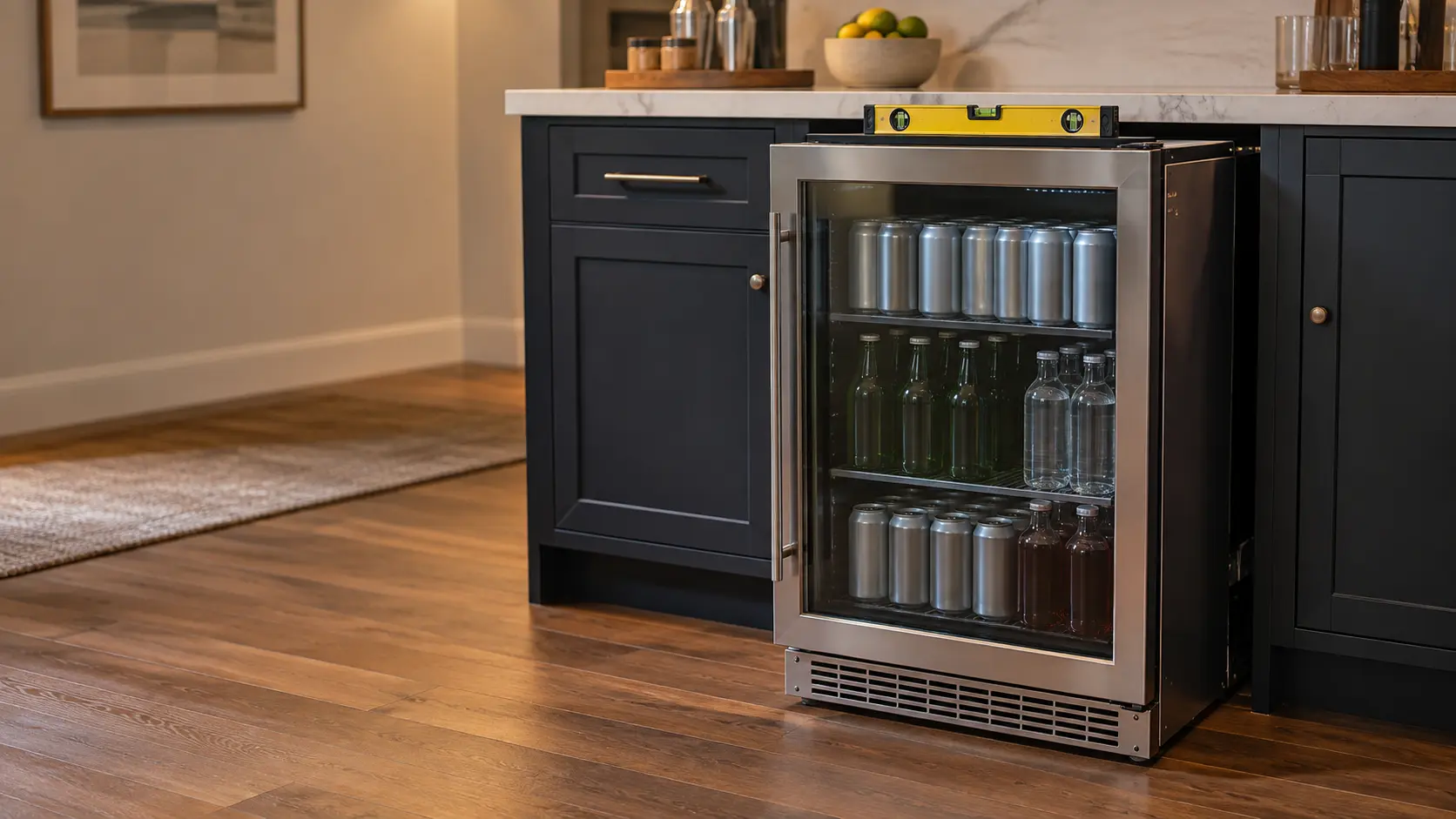
Choosing an undercounter or freestanding beverage center comes down to where the cabinet can shed its heat.
The short answerIndoor or outdoor-rated beverage center: what a patio asks of the cabinet
An outdoor-rated beverage center is built and listed for heat, humidity and weather that an indoor model's guide rules out.
The short answerRepair or replace a beverage center: the part, the opening and the location
Whether to repair or replace a beverage center depends on the failed part and the installation more than on age.
When reading
is not enough.
If the checks in these guides did not settle it, the visit picks up from there, stop by stop.
What repairs cost- 01Temperatures read at the shelves
- 02The price before the work
- 03Common parts in the van
- 04Cold again before we go
The problems
these answer.
Each has a page of its own, with the causes in the order worth checking.
All 17 problems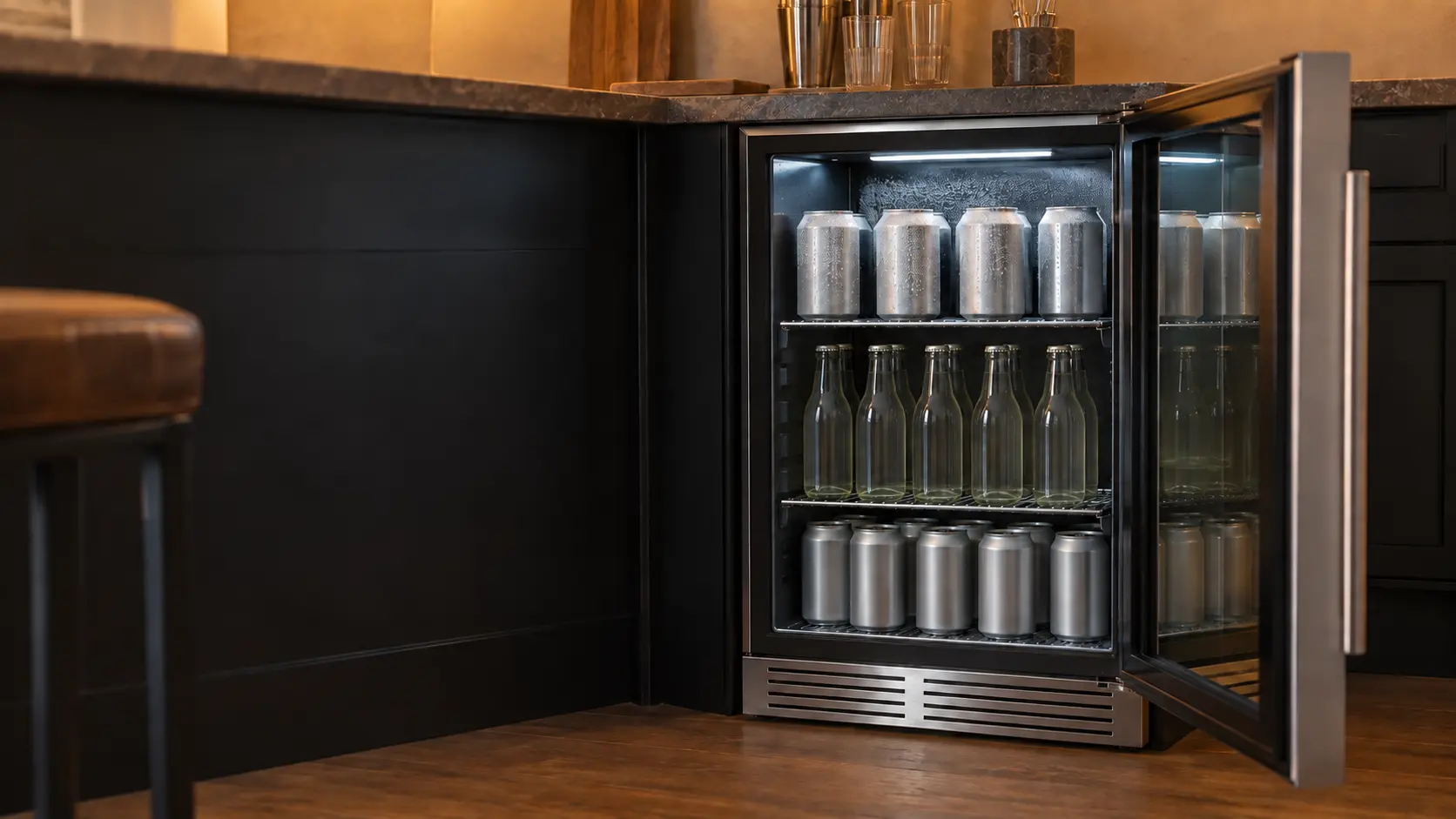

Questions about
choosing and comparing.
What matters most when choosing a beverage center?
Is a beverage center the same as a wine storage unit?
Do these guides recommend particular brands?
I already own one. Is this section still worth reading?
The other
sections.
Split by what you are trying to find out rather than by which part of the appliance it concerns.
All guides
Back to your everyday
Let’s get your beverage center working again.
Three short steps online, or one call. Tell us what you are seeing and pick a window that works.